
Palmer Lake, nestled between Denver and Colorado Springs, offers a distinctive economic environment that balances its small-town heritage with emerging growth opportunities. This article delves into the town’s economic landscape, highlighting key sectors and trends shaping its future.
Local Businesses: The Heartbeat of Palmer Lake
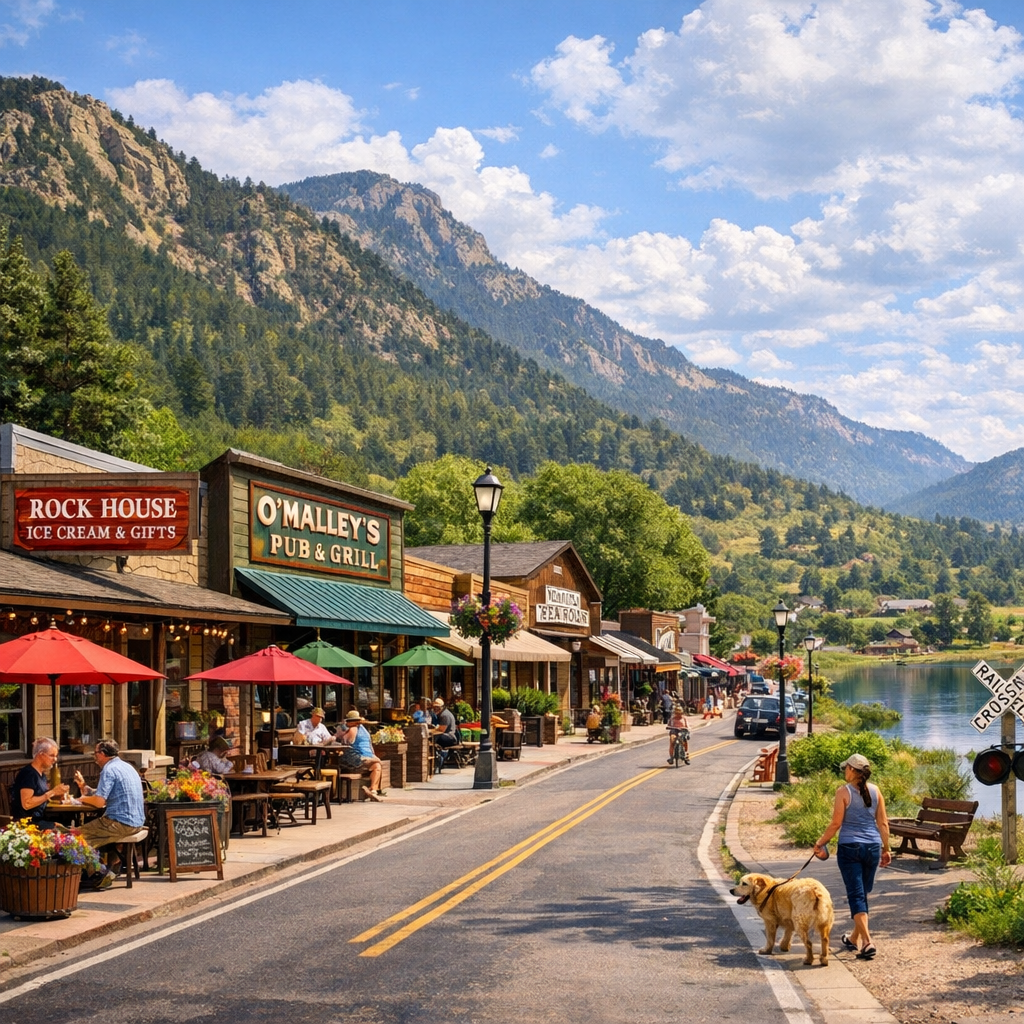
The town’s economy is anchored by a vibrant array of locally owned businesses. Downtown Palmer Lake features an eclectic mix of cafes, boutiques, and art galleries, many housed in historic buildings that contribute to the town’s timeless appeal. Establishments like Joseph O’Malley’s Pub and Calvert’s Market not only serve residents but also attract visitors, bolstering the local economy. These businesses emphasize community engagement and rely on both local patronage and tourism to thrive.
Tourism and Short-Term Rentals
Tourism plays a significant role in Palmer Lake’s economy. The town’s picturesque setting and proximity to outdoor activities draw visitors year-round. This influx has spurred growth in the short-term rental market. As of April 2026, Palmer Lake hosts 51 active Airbnb listings, with an average annual revenue of $48,450 per property. This reflects a 70% increase in supply, indicating a robust demand for accommodations in the area. The operator-friendly environment, characterized by minimal registration requirements, further encourages participation in this sector.
Real Estate and Housing Market
The housing market in Palmer Lake has experienced notable changes. The median home sale price stands at $609,000, with a year-over-year decline of 8.42%. This suggests a potential shift towards a buyer’s market. Additionally, the median days on market have increased by 82.14%, indicating slower turnover compared to the previous year. These trends may present opportunities for prospective homeowners and investors seeking entry into the market.
Demographics and Workforce
With a projected 2026 population of 2,533, Palmer Lake maintains a close-knit community atmosphere. The median household income is $125,357, and the town boasts a low poverty rate of 4.36%. The workforce is predominantly white-collar, with significant employment in management, administrative support, and teaching professions. Notably, approximately 21.3% of residents telecommute, reflecting a trend towards remote work that aligns with national patterns.
Community Initiatives and Economic Development
The Palmer Lake Economic Development Group (PLEDG), established in 2021, plays a pivotal role in promoting local businesses and enhancing the town’s quality of life. PLEDG focuses on four key areas: outdoors, dining, arts, and history. By organizing events and supporting local enterprises, the group aims to preserve and celebrate Palmer Lake’s unique character while fostering economic growth.
In conclusion, Palmer Lake’s economic landscape is a harmonious blend of tradition and growth. The town’s commitment to supporting local businesses, coupled with its appeal to tourists and remote workers, positions it as a dynamic community with a promising economic future.