
The United States economy is currently experiencing notable shifts, with inflation rates rising and consumer confidence declining. These changes have significant implications for households and businesses across the nation.
Inflation and Its Impact
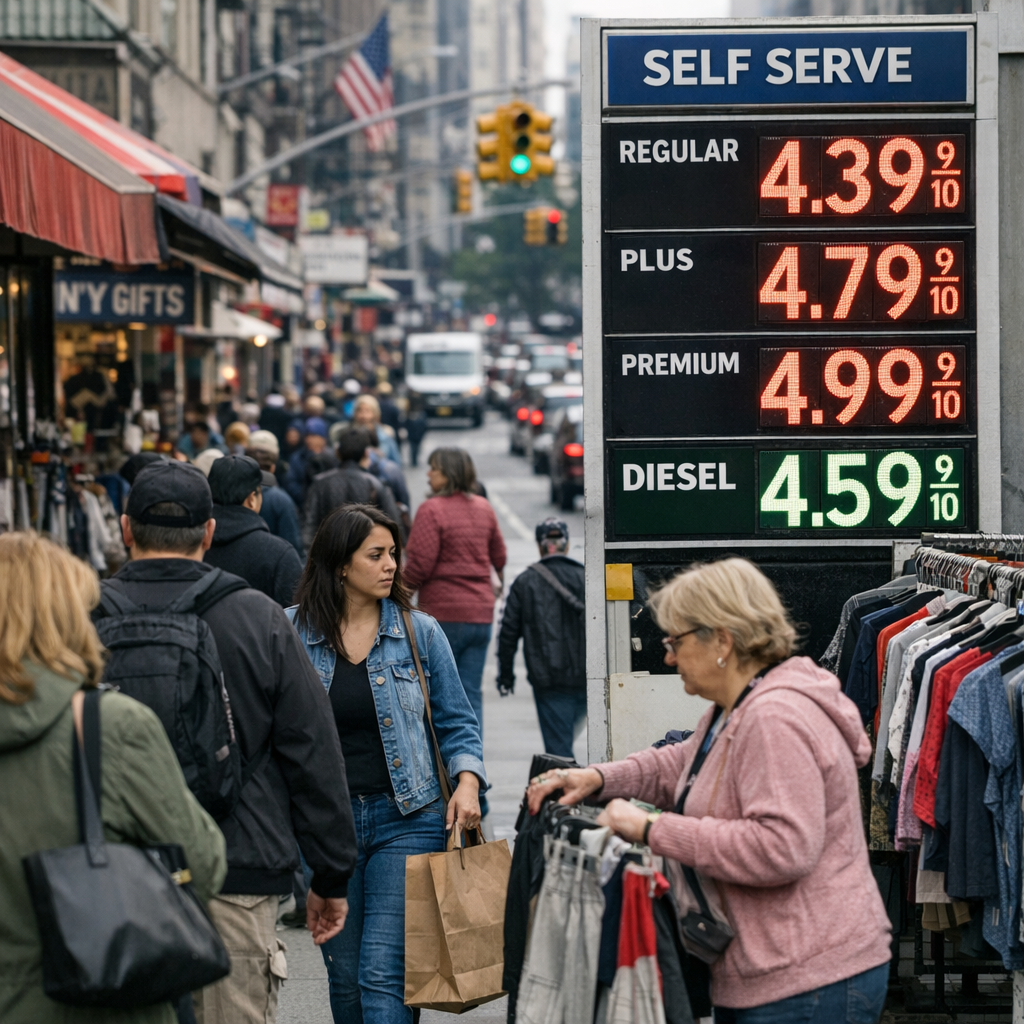
As of April 2026, the Consumer Price Index (CPI) indicates a 3.8% increase over the past year. This uptick is largely driven by escalating energy costs, with gasoline prices rising by 5.4% in April alone and over 28% compared to the previous year. Such increases have effectively nullified recent wage gains, as wages have risen by 3.6% over the same period. Consequently, many Americans are experiencing a decrease in real purchasing power. [Source: The Daily Beast]
Consumer Confidence and Spending
The combination of rising prices and stagnant wage growth has led to a decline in consumer confidence. Many individuals are turning to credit to manage daily expenses, resulting in increased consumer borrowing. This trend reflects growing financial strain among households and raises concerns about long-term economic stability. [Source: Axios]
Government Response and Policy Measures
In response to these economic challenges, the federal government has proposed various measures, including potential tax cuts and deregulation, aimed at stimulating growth and alleviating financial pressures on citizens. However, the effectiveness of these policies remains a topic of debate among economists and policymakers. [Source: Axios]
Looking Ahead
As the nation navigates these economic shifts, it is crucial for individuals and businesses to stay informed and adapt to the evolving financial landscape. Monitoring policy developments and economic indicators will be essential in making informed decisions during this period of change.