

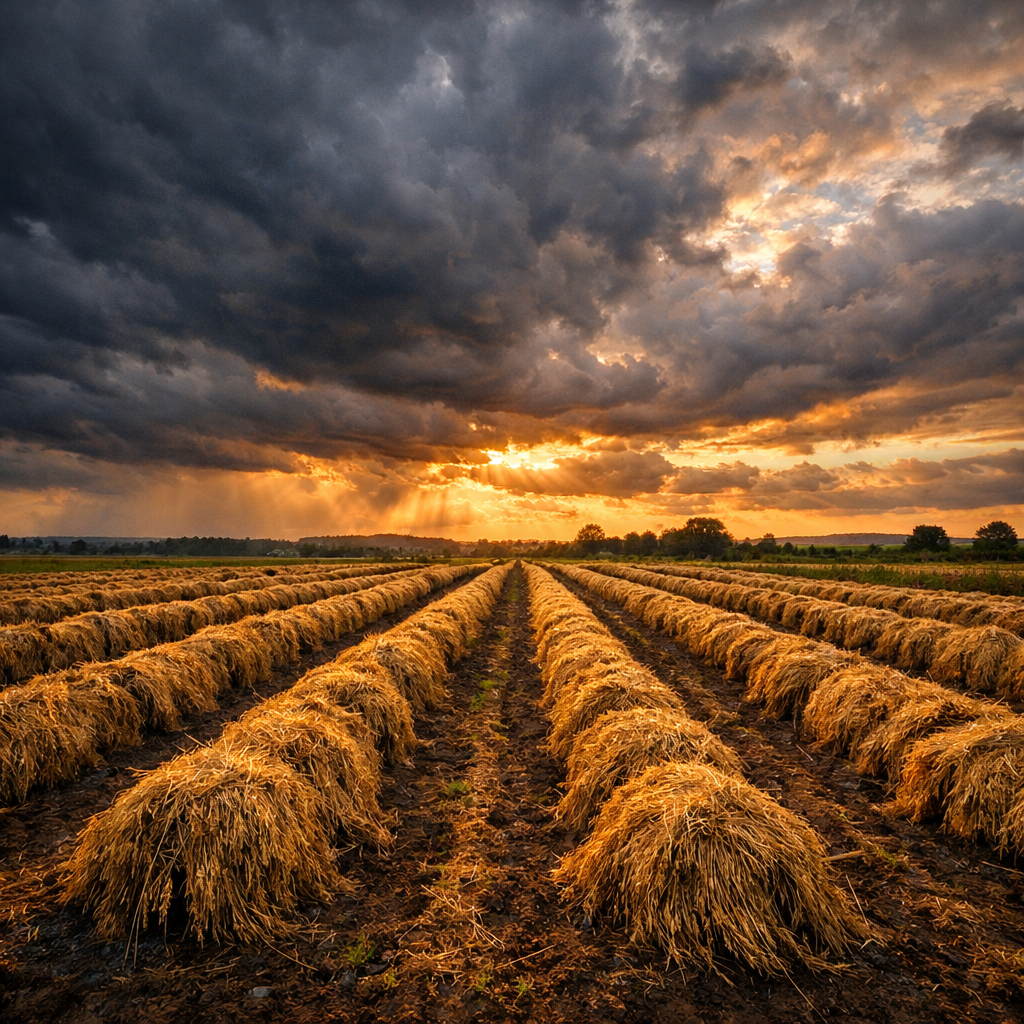
As people in Palmer Lake gaze across the Rockies, many miles from global food production hubs, what happens abroad still circles back here. A recent UN report reveals that while global hunger declined for a third consecutive year in 2025, 7.8% of the world’s population—about 645 million people—still faced hunger, down slightly from 8.1% in 2024.
These gains are fragile. Conflict, climate extremes, and economic shocks continue to compound food insecurity, particularly in Africa, the Middle East, and parts of Asia. Regions with rapidly growing populations often see the highest numbers of people unable to secure adequate food.
Hotspots of Acute Hunger
The World Food Program and FAO warn that 13 regions are teetering toward greater deterioration in food security conditions between mid-2026 and the end of the year. Yemen remains among the worst affected, struggling with “emergency” or worse levels of hunger.
Additionally, two famines were declared in 2025—for the first time in recent history—in parts of Gaza and Sudan, and famine risk persists into 2026 in those areas. Conflict-related disruptions to crop production, trade routes, and aid delivery drive many of these crises.
Climate Shocks Make the Vulnerable Even More Vulnerable
Extreme weather—droughts, floods, storms—is increasingly linked to worsening food insecurity. Public data systems like HungerMap LIVE show that climate and hazards significantly influence where people can’t access enough food.
According to global risk tracking platforms, climate change also acts as a multiplier—exacerbating underlying tensions caused by scarcity, displacement, and governance gaps.
What’s Needed Moving Forward
- Strengthening resilient food systems: investing in local agriculture, infrastructure, and diversified food supply chains so communities withstand disruptions.
- Conflict prevention and peacebuilding: since many hunger crises stem from war or political instability, diplomacy and security must be part of food policies.
- Climate adaptation and mitigation: support for drought-resistant crops, early warning systems, and disaster preparedness in high-risk regions.
- Global cooperation: consistent funding for humanitarian aid, sharing of technology, and inclusive policymaking that centers those most affected.
For Palmer Lake readers, this isn’t just remote news. Climate instability drives migration, alters trade—think coffee, cocoa, spice—and contributes to fluctuations in global markets. What happens in distant corners ultimately shapes prices, policies, and our own food security.
We’ve seen clear progress. But the path ahead demands constant vigilance, compassion, and action. Annually landing on time won’t suffice—global hunger needs ongoing solutions rooted in solidarity and foresight.