
By Jacob Wright
Palmer Lake is more than a dot on the map—it’s our home, where the mountains meet the sky, where trails wind through forests, and where our small-town spirit still thrives. Lately, though, pressures from drought, growth, and development are testing who we are and what we want to become. I’ve been talking with neighbors, town leaders, and longtime residents—and their stories echo common themes.
Water at the Heart of Community
Earlier this summer, Palmer Lake officially declared a Stage 1 Water Emergency. Monument Creek—once a flowing lifeline—has been dry since June 19. The reservoir is quiet, and town staff say our wells are under stress. Outdoor watering is now limited to one hour each week, and many of us are grappling with what conservation really means in practice and in daily life. Residents have stepped up—tagging leaks, embracing xeriscaping, holding off on lawn expansions—but there’s anxiety that this isn’t just a temporary drought. It’s a recalibration of our relationship with the land.
Character, Not Just Change
The proposal to bring a Buc-ee’s travel center to the southwest corner of I-25 and County Line Road ignited deep debates. Some see it as economic opportunity; others fear it could tip the balance of what makes Palmer Lake special. Planning commissioners worried the project clashes with community values—light pollution, water demand, scale—and doesn’t align with our master plan’s vision of trails, parks, and open space enhancements. These arguments aren’t just about buildings or signs. They’re conversations about our identity.
Stories From the Ground
Longtime residents remember Palmer Lake as a quiet place—no chain restaurants, no metal warehouses along the highway, dark skies, wide views. Newcomers arrive drawn to that same peace but also want amenities: the occasional restaurant, better infrastructure, thriving small businesses. One comment from a recent survey stuck with me: “We don’t need to be like everywhere else—let’s keep it that way.”
We’re also seeing local energy in small, powerful ways. Volunteers gathering to clean up trails, neighbors pitching in to repair deteriorated public restrooms, programmers tutoring youth at after-school events in our parks. Community Matters Institute and others are stepping up to offer makerspace experiences, mentorship, and avenues for folks of all ages to give back. These efforts, when added up, reshape our town more than any big proposal ever could.
Looking Forward Together
The tension between growth and preservation isn’t new—but it’s intensifying. Infrastructure strain, revenue declines, water shortages, and heightening public scrutiny over land use decisions are part of this chapter. We don’t have clear cut solutions. But what we do have—if we choose to use them—are civic engagement, shared values, and the ability to hold our leaders accountable.
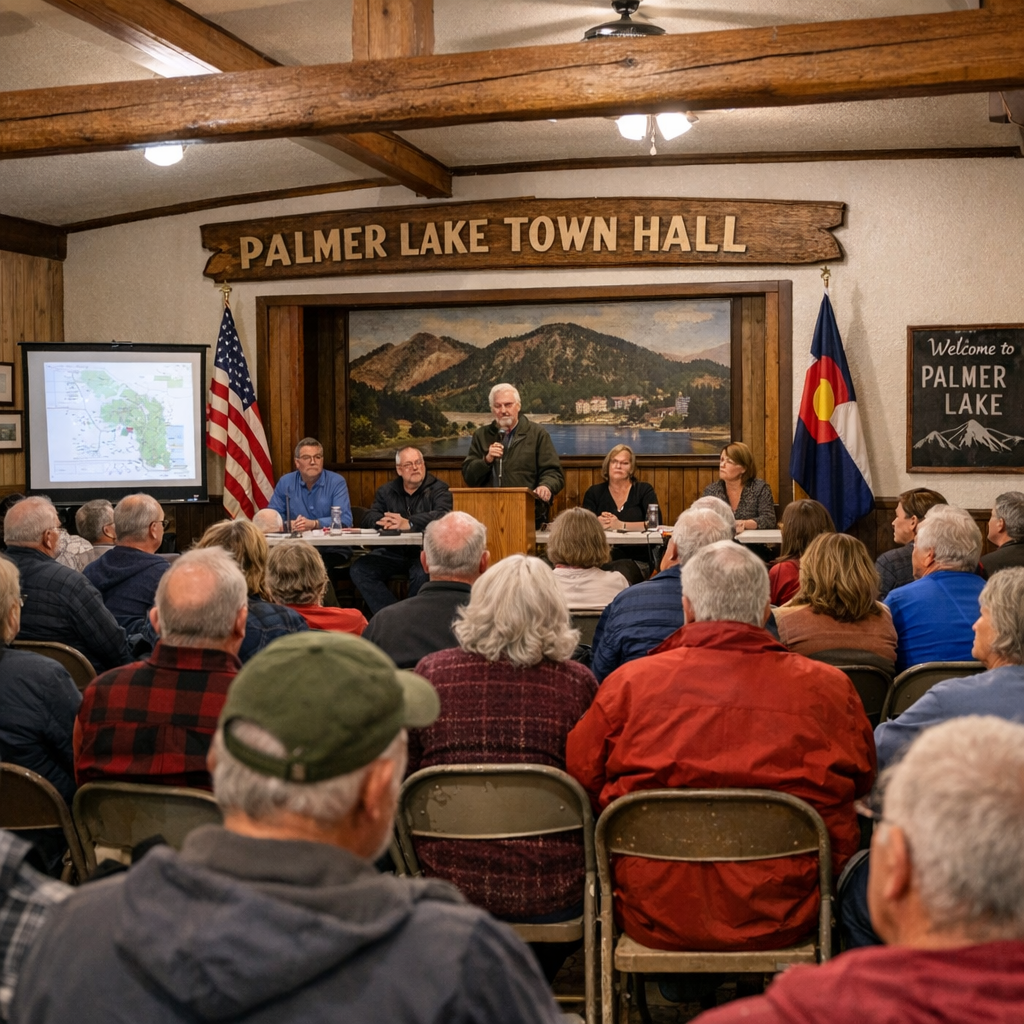
These are stories of concern, yes—but also of hope. When citizens show up, meetings run productively, volunteers turn out, and public boards seek feedback, that’s democracy alive. Palmer Lake’s future will be shaped not just by what gets built, but by what we decide *not* to do. In moments of growth, what we preserve defines us as much as what we develop.
If there’s one thing neighbors tell me over and over, it’s this: keep our voice in the conversation. Attend the meetings. Read the plan. Share your ideas. Because this town belongs to all of us—past, present, and future.